
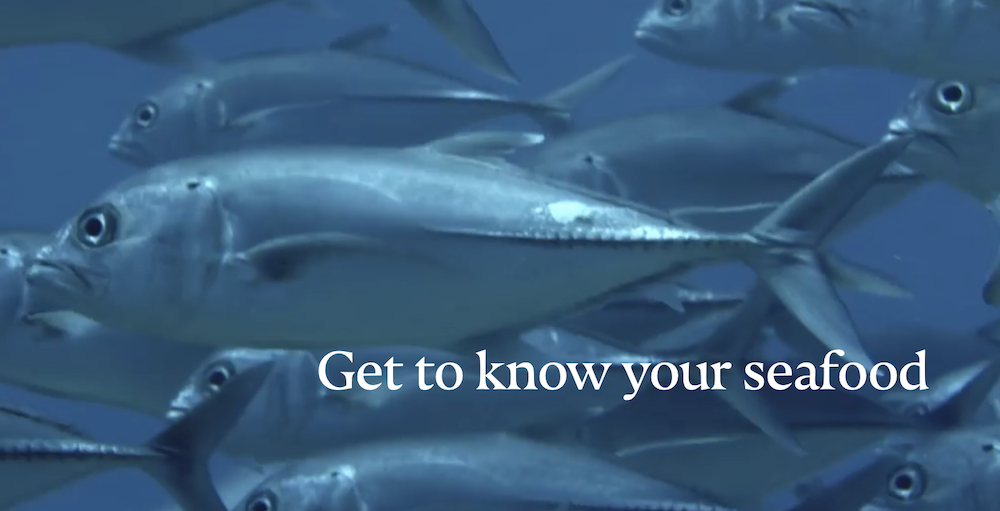
 I was reading something online that was talking about Fish. The main question is healthy or not. While I know if you are 100% vegan the answer is NOT.
But for those of us who eat fish, I was sent to the Monterey Bay Aquarium website to look at their Seafood Watch. And we thank them for these pix. Turns out they list what’s healthy for the environment. And while I do agree that is a good cause, my immediate needs are to know what is healthy for me to eat.
With all the talk about mercury antioxidants related to fish, I decided that it’s time to provide to you two charts that you can carry with you on your phone. You can also easily text these to friends and family.
If you want copies please email your name to the email below.
Otherwise, here is the info I want to share with you today
Swordfish, king mackerel, shark, marlin, and bigeye (Ahi) tuna are at the top of the food chain. Every time they eat a smaller fish, they also accumulate that fish’s mercury.
The longer a fish lives, the more mercury builds up in its’ tissues.
I don’t know about where you live, but here in San Diego they have been pushing swordfish lately. For those of us here, I think what I am talking about is important for you to know.
What else is high in Mercury?
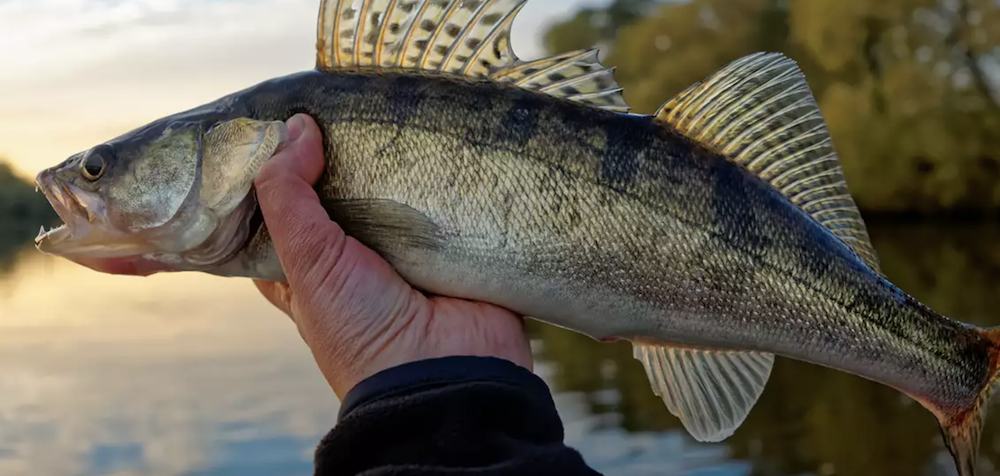
You know that to know you’re eating out of a can? And the halibut, Black Cod, Grouper, Chilean Sea Bass you like to order at the restaurant? They are often high in mercury.
How about other Contaminants like PCBs, Dioxins & Antibiotics?
Well you know you also like to order farmed Atlantic Salmon, imported farmed Shrimp, Tilapia, and imported Catfish? Think twice next time, before you order or buy at the supermarket.
Can we be sure that these fish are high in mercury?
The data is consistent across decades from:
✔ U.S. FDA (Food & Drug Administration)
They test commercial fish species regularly.
✔ EPA (Environmental Protection Agency)
They set consumption limits based on methylmercury content.
✔ Independent university marine labs
Scripps, Woods Hole, NOAA, and international oceanographic institutes all confirm the same list.
✔ Global studies from multiple oceans
Different oceans have different mercury loads —
but the same species always rank at the top, because the biology is the same. This consistency across time, geography, and different labs makes the data extremely reliable.
Now keep in mind just like everything else in my world, this information is going to shift from time to time. My hope of course is when waters get cleaner and we stop over eating them, it will once again be like the good all days. All fish will be safe to eat.
And not all Tuna is the same. While Bigeye Ahi Tuna are high in mercury, Skipjack (light tuna) has low mercury. And Albacore has a moderate amount.
I am trying to move away from meat so that’s what drove me to curiosity about fish. And now I’m glad I did the research to know more about Fish,
 Mercury and Contaminants. I will say that I still feel terrible about eating anything with a face.
Feel free to share these two charts with friends and relatives by sharing this blog and please subscribe to our YouTube Video.
You can also find more free contact on Instagram, Facebook and Pinterest.
And if you are interested in joining the transformation group I lead, just reach out! My next blog is about Farmed vs Wild Caught. There’s some new information out about that I am going to share next.
With garlic, gusto and gratitude,
Chef Marian🥂
📧 ChefMarianKitchenConfident@gmail.com
📍 Facebook | Instagram | YouTube | Pinterest
 Your membership helps feed those in need through No Face Goes Unfed, bringing hope to San Diego and then nationwide.