

I got this email today and I want to tell you, these so-called experts quoting famous surgeons are spreading so much misinformation that I have to give you an example so that you know when you hear people say things about food, it comes unsolicited from who knows who, it always needs to be investigated. It’s sort of like fake news if you know what I mean. And I’m so pissed off about it that I have created today’s blog called Misinformation about Food that arrived in my inbox. And I want to talk about it.
So here is the Misinformation about food that arrived in my inbox today:
These 3 seemingly healthy foods may be silently contributing to underlying health issues within your body. Let’s dive into why:
Spinach
Despite its reputation as a healthful green, spinach has a considerable downside. It ranks  among the highest oxalate-containing foods commonly consumed.
A typical bowl of spinach can contain up to 600 mg of oxalates, who eats an entire bowl of spinach? surpassing the recommended daily limit of 100-200 mg according to oxalate expert Sally Norton.
Excessive oxalate consumption can result in kidney stones, thyroid complications, gut damage, skin problems, and joint pain. Some individuals have even experienced “oxalate poisoning” from overindulging in green smoothies, necessitating emergency medical care.
Here’s the real story:
Spinach is high in oxalates, which are naturally occurring compounds found in many plant
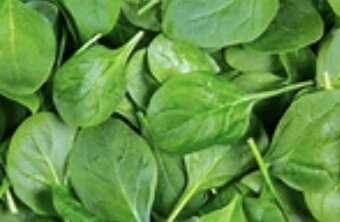
foods. Oxalates can bind to calcium in the gut and form calcium oxalate, which contributes to kidney stones in people prone to them. Is spinach bad for everyone? NO. It is only a concern for people prone to kidney stones. If you have a once a year physical your doctor will certainly tell you if you are prone to kidney stones. Outside of that, if you’ve had kidney stones, you know you are prone to them. That’s way different than the fear factor of Oxalate Poisoning, am I right?
Let’s continue with the Misinformation that showed up in my inbox today:

Almonds
Often promoted as a healthy snack, almonds and almond milk also have their drawbacks, including the issues associated with excess omega-6 fats and oxalates mentioned earlier.
Issues? Do we even know what the word oxalates means? I had to look it up! We turn to Merriam-Webster:
Oxalates are naturally occurring compounds found in many plants. And if and only if you are prone to kidney stones, this would be important to you. And what percentage of people get kidney stones in America? 10%. So that means most of us do not have to worry about eating Almonds or Spinach. And yet, they’ve sent me this ground shaking email, based on lies.
Misinformation about Food is especially in our face when we visit the doctor. Doctors are not trained in nutrition, unless and if they are holistic. So they really don’t know.
I did some more research. Over and over, I see that Omega-6 is essential, but the problem lies in balance. In the modern diet, most people consume way too much omega-6 (from processed foods, oils, etc.) and not enough omega-3 (from fish, flax, chia, walnuts).
How much is too much?

Here’s what some sources say: A handful of almonds (about 1 oz or 23 almonds) per day is perfectly healthy for most people. Trouble arises when:
-
You’re eating a ton of almonds plus consuming a lot of processed foods or vegetable oils (which are also omega-6 heavy).
-
You aren’t balancing it with omega-3 sources.
Did you see them say that this, in addition to consuming a lot of processed food can cause trouble? And do you think most of the ‘trouble’ may be caused from the processed foods?
You see? That’s what I am saying. People take two separate things, pair them together and immediately condemn.
So…. here’s what I believe to be true based on 3 decades of studying food and its’ nutritional value:
-
Spinach: Only a concern if you’re eating it daily in large quantities and are prone to kidney stones. Otherwise, enjoy it—especially cooked or paired with calcium.
-
Almonds: Healthy in moderation. If you eat a lot, just be sure to balance omega-6 with omega-3.
Here’s a last tip:
Cooking spinach reduces oxalates by up to 40%. Yes, I said 40%. Didn’t see that in the email, did you!
Also: pairing it with calcium-rich foods (like cheese, tofu, or tahini) helps neutralize its oxalate-binding effects. Who?!?! Not in that email either!

I think the key to all of these emails, outside of blocking them is to check who is it from. There’s no name, no Company name. It comes from Never Eat.
If we dig a bit further, we find it’s from easy mortgage. And I promise you, it did not come from a mortgage company and if it did, they are no experts on food.
We have enough problems with the amount of information out there and figuring out what’s true and what isn’t. But for these idiots to add a constant barrage of half truths? And we see something in writing and tend to believe it?
I’m telling you it’s good two check and double check your source.
And while, by this point, you feel you know me and my research background, I think it’s even good to  check and double check the stuff I put on this blog. I give you all the resources I give you all the experts ~but feel free to dig in deeper to see if these experts are saying is legit.
For those of you who prefer to watch instead of read, or would like to forward the info without all the copy, to a friend, here’s your 1 Minute Bite on YouTube!
Happier Healthier Eating,
Chef Marian
 Your membership helps feed those in need through No Face Goes Unfed, bringing hope to San Diego and then nationwide.